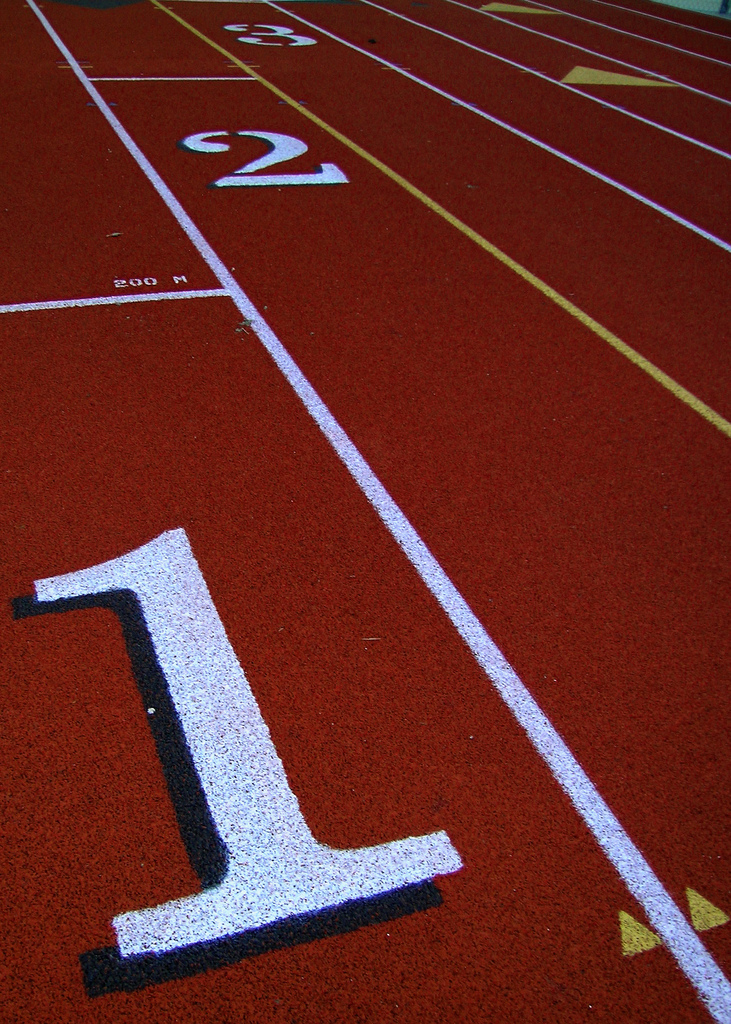
Running Track Repair & Stabilization
Low spots, uneven areas, and settlement can affect how a running track functions. When the problem begins beneath the track, repairing the visible surface alone may leave the underlying issue unresolved.
Olympic Concrete Lifting provides polyurethane foam injection to help fill underlying voids, restore support, and lift qualifying settled areas. We evaluate the track’s construction, existing condition, and surrounding drainage before recommending a repair.
Restore Support Beneath Your Running Track
A running track depends on more than its finished surface. The base and supporting ground help maintain its shape, elevation, and drainage.
When that support changes, portions of the track may begin to settle. A depression, uneven transition, or recurring low spot can indicate a problem beneath the running surface.
Polyurethane foam injection targets qualifying areas where support has been lost. Expanding foam fills accessible voids and, where conditions allow, carefully raises settled sections toward their intended elevation.
Benefits of Polyurethane Running Track Repair
When a track remains suitable for stabilization, polyurethane injection can offer a practical alternative to removing and rebuilding the affected area.
Preserve Usable Track Sections
Targeted stabilization may allow sound portions of the existing track system to remain in place.
Restore Underlying Support
Expanding foam fills accessible voids beneath qualifying areas and helps reestablish support.
Correct Qualifying Low Areas
Controlled lifting may improve elevation differences caused by localized settlement.
Reduce Excavation
Injection can address certain support problems through small access points, reducing the amount of removal needed.
Focus the Repair
The work can concentrate on identified settlement and support issues rather than automatically replacing the entire track.
Support Facility Planning
An assessment helps facility managers understand whether foam injection fits the problem and whether additional work is needed.
What Causes Running Tracks to Settle?
Soil Compression
Erosion & Soil Loss
Uneven Support
Unresolved Water Problems
Polyjacking vs. Mudjacking
Why Olympic Concrete Lifting Uses Polyurethane Foam
Polyjacking and traditional mudjacking are both designed to raise settled concrete, but the materials used beneath the slab are very different. Mudjacking typically relies on a heavy cement-based slurry, while polyjacking uses expanding polyurethane foam.
For Olympic Concrete Lifting, polyurethane provides several advantages when lifting and stabilizing concrete. It requires smaller injection holes, adds less weight beneath the slab, cures quickly, and allows the lift to be controlled as the material expands.
| Polyjacking | Mudjacking | |
|---|---|---|
| Injection Holes | Smaller | Larger |
| Material | Lightweight polyurethane foam | Heavy cement-based slurry |
| Cure Time | Fast | Longer |
| Added Weight | Minimal | Significantly heavier |
| Lifting Method | Controlled foam expansion | Slurry pumped beneath slab |
Olympic Concrete Lifting uses polyurethane foam to provide a precise, lightweight, and minimally invasive approach to concrete leveling and stabilization.
FAQs
Can polyurethane foam lift a running track?
It may be appropriate for certain track systems with localized settlement or lost support. The base construction, surface condition, and underlying ground must be evaluated before lifting is recommended.
Is this the same as resurfacing a polyurethane running track?
No. Foam injection addresses support beneath the track. Resurfacing renews the running surface. They serve different purposes and may be needed at different stages of a repair.
Can foam fill voids without lifting the track?
Yes, where conditions allow. Injection can be planned primarily to fill accessible voids and restore support while limiting changes in elevation.
Can lifting help with standing water?
It may help when settlement has created a low spot. Blocked drains, leaks, or other drainage problems require separate attention. The goal is to restore the intended slope where practical.
Will foam injection repair cracks or torn rubber?
Foam injection does not restore damaged rubber or seal surface cracks. It may address an underlying support problem contributing to movement, but surface repairs must be evaluated separately.
Does the entire track need to be replaced?
Not always. Localized support problems may be suitable for targeted stabilization. Widespread deterioration or structural failure may require more extensive work.
How soon can the track be used after the repair?
Timing depends on the injection work, track condition, and any required surface restoration. We discuss the expected repair sequence and return-to-use requirements before work begins.
How do I know whether my track qualifies?
Start with an assessment. Olympic Concrete Lifting can review the affected areas and determine whether polyurethane foam lifting or void filling is a practical option.