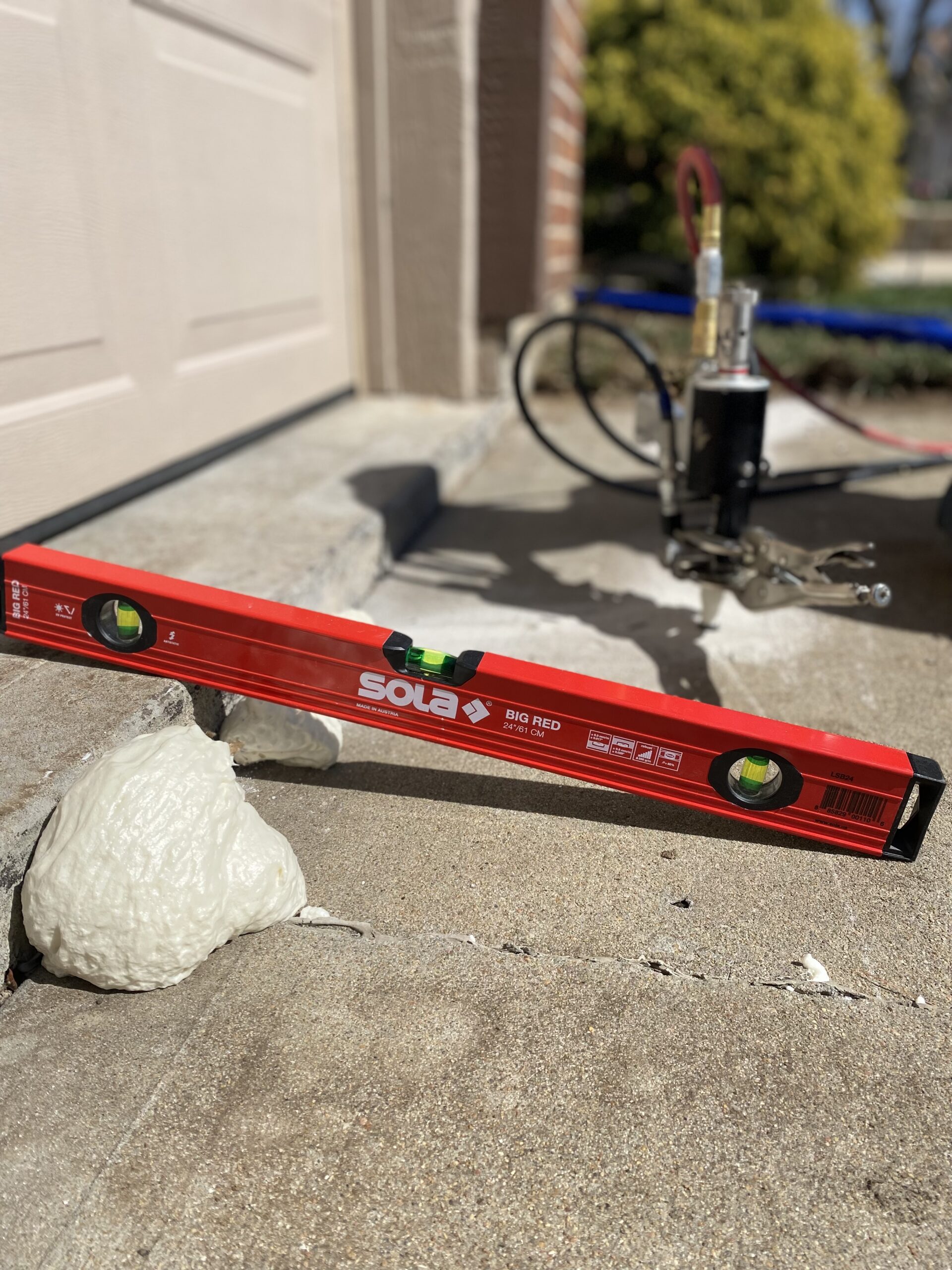
Concrete Leveling & Polyjacking Specialists
Sunken and uneven concrete does not always need to be torn out and replaced. Olympic Concrete Lifting uses polyurethane foam to lift, level, and stabilize settled slabs while preserving the concrete already in place. Polyjacking is a fast, precise, and minimally invasive solution for residential and commercial surfaces affected by settlement or loss of support.
From driveway lifting and walkway lifting to patios, garage floors, commercial slabs, and more, our team evaluates the condition of the concrete and determines whether leveling can restore a safer and more functional surface.
Restore Your Concrete Without Starting Over
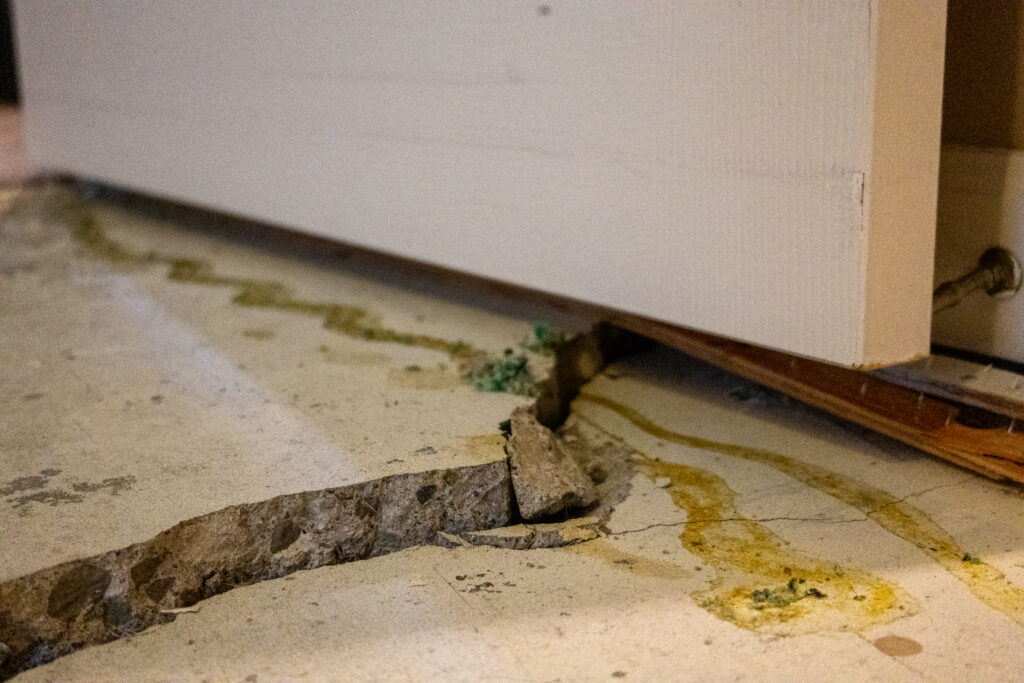
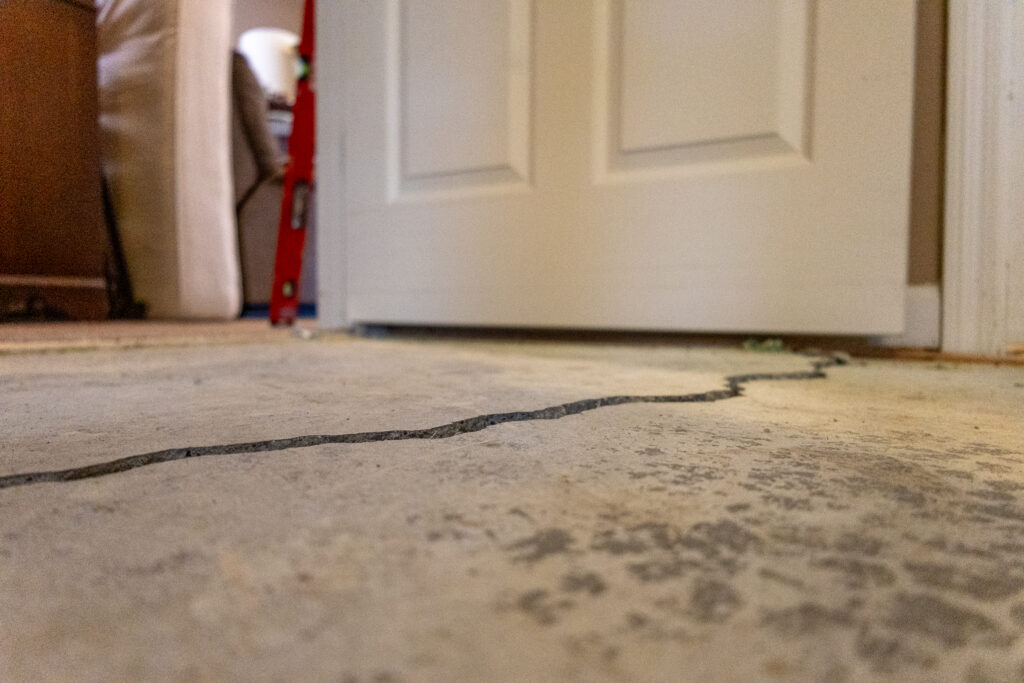
Concrete slabs rely on the soil beneath them for support. Over time, that soil can settle, compress, wash away, or shift, leaving empty spaces beneath the concrete. Without consistent support, sections of the slab may begin to sink and create uneven joints, trip hazards, drainage problems, or unwanted slopes.
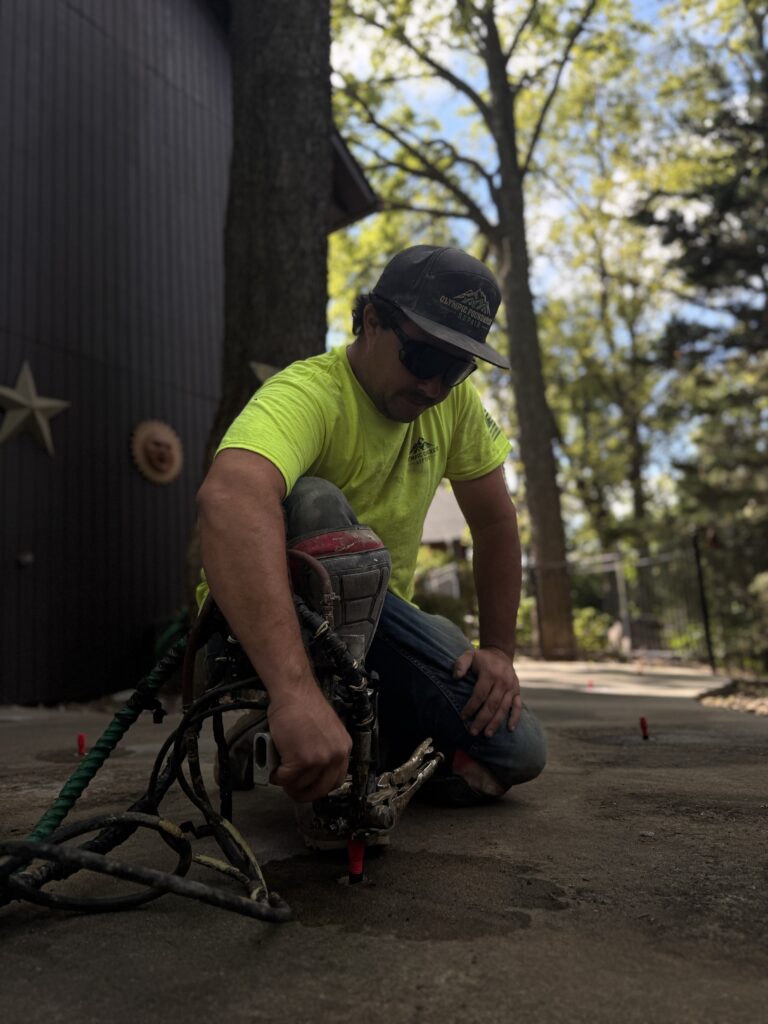
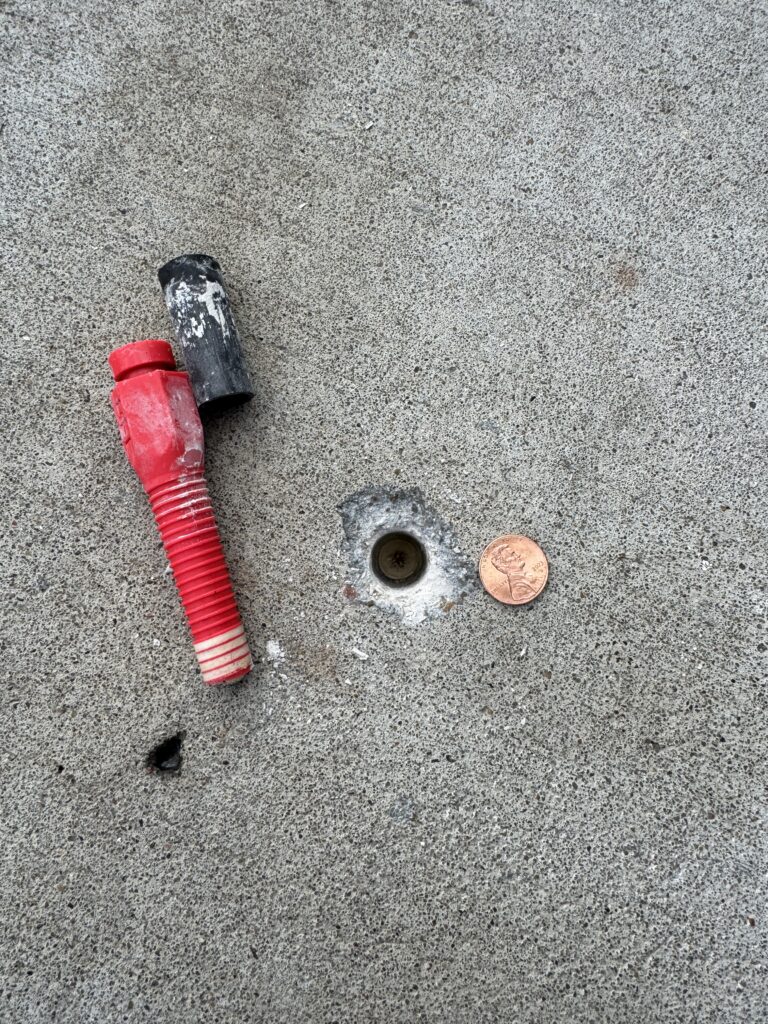
Polyjacking works from beneath the concrete. Small injection holes are drilled through the slab, allowing expanding polyurethane foam to be placed into the spaces below. The foam fills those voids, restores support, and allows the concrete to be carefully raised toward its proper position.
When the slab itself is still structurally sound, concrete leveling can provide a practical alternative to removing and replacing otherwise usable concrete. Areas with significant empty space beneath them may also benefit from dedicated void filling to restore support and stability.
Benefits of Concrete Leveling
Concrete leveling can improve much more than the appearance of a settled slab. By restoring support and correcting uneven areas, polyjacking can improve safety, drainage, usability, and the long-term performance of existing concrete without the expense and disruption of unnecessary replacement.
Reduce Trip Hazards
Uneven sections of concrete can create abrupt changes in elevation that become walking hazards. Leveling helps create smoother transitions and safer surfaces around homes, businesses, and pedestrian areas.
Improve Drainage
Settlement can change the direction water travels across a slab and cause it to collect in unwanted areas. Raising the concrete can help restore a more appropriate slope and improve how water moves across the surface.
Preserve Existing Concrete
A settled slab is not automatically a failed slab. When the concrete remains structurally sound, polyjacking can help extend its useful life rather than removing material that can still be saved.
Fast Turnaround
Polyurethane foam expands and cures quickly during the lifting process. Many concrete leveling projects can be completed with significantly less downtime than removing and repouring the slab.
Less Disruption
Polyjacking avoids much of the demolition, debris, heavy equipment, and cleanup involved with complete replacement. Small injection points allow the repair to focus on the areas beneath the concrete that have lost support.
Stabilize the Slab
Polyurethane foam expands into empty spaces beneath the concrete and helps restore support where soil has settled or eroded. This stabilization is an important part of correcting the conditions that allowed the slab to sink.
Why Does Concrete Settle?
Soil Settlement
Water & Erosion
Changing Soil Conditions
Poor Drainage
Can Your Concrete Be Saved?
Not every cracked or uneven slab needs to be replaced. The more important question is whether the existing concrete is still structurally sound enough to lift and stabilize.
Slabs that have settled, developed uneven joints, changed slope, or lost support underneath them may still be excellent candidates for polyjacking. For example, a sunken patio, uneven pool deck, or settled garage floor may be able to remain in place rather than being demolished and repoured.
Concrete that is severely deteriorated, crumbling, or broken into unstable pieces may require another solution. Olympic Concrete Lifting can assess the condition of the slab and help determine whether leveling, stabilization, concrete repair, or replacement makes the most sense.
How Polyjacking Works
Assess the Slab
We evaluate the condition of the concrete, the amount of settlement, surrounding drainage, and areas where support may have been lost.
Plan the Lift
Injection locations are selected based on the shape of the slab and the areas that need to be raised or stabilized.
Inject the Foam
Small holes are drilled into the concrete and polyurethane foam is injected beneath the slab at carefully selected locations.
Lift & Stabilize
As the foam expands, it fills empty spaces beneath the concrete while carefully raising the slab and restoring support.
Finish the Repair
Once the desired lift and stabilization have been achieved, the injection holes are sealed and the work area is cleaned.
Why Choose Polyjacking?
Cost-Effective
Faster Than Replacement
Lightweight Material
Less Disruption
Preserves & Stabilizes
Polyjacking vs. Mudjacking
Why Olympic Concrete Lifting Uses Polyurethane Foam
Polyjacking and traditional mudjacking are both designed to raise settled concrete, but the materials used beneath the slab are very different. Mudjacking typically relies on a heavy cement-based slurry, while polyjacking uses expanding polyurethane foam.
For Olympic Concrete Lifting, polyurethane provides several advantages when lifting and stabilizing concrete. It requires smaller injection holes, adds less weight beneath the slab, cures quickly, and allows the lift to be controlled as the material expands.
| Polyjacking | Mudjacking | |
|---|---|---|
| Injection Holes | Smaller | Larger |
| Material | Lightweight polyurethane foam | Heavy cement-based slurry |
| Cure Time | Fast | Longer |
| Added Weight | Minimal | Significantly heavier |
| Lifting Method | Controlled foam expansion | Slurry pumped beneath slab |
Olympic Concrete Lifting uses polyurethane foam to provide a precise, lightweight, and minimally invasive approach to concrete leveling and stabilization.
Where Can Polyjacking Be Used?
Concrete leveling can be used on many residential and commercial slabs around a property. Olympic Concrete Lifting provides solutions for surfaces ranging from Stoops & Steps and Basement Floors to residential walkways, sidewalks, driveways, patios, warehouse floors, loading areas, and other settled concrete.
For larger properties and high-traffic environments, our commercial concrete lifting services address uneven concrete at businesses, apartment communities, municipalities, parks, retail properties, warehouses, and other commercial locations.
Concrete Leveling & Polyjacking FAQs
What is polyjacking?
Polyjacking is a concrete leveling method that uses expanding polyurethane foam beneath a settled slab. The foam fills empty spaces, restores support, and allows the concrete to be carefully raised toward its proper position.
What causes concrete to sink?
Concrete typically settles because the soil beneath the slab has compressed, shifted, eroded, or developed empty spaces. Water movement, drainage issues, soil conditions, and inadequate compaction can all contribute to settlement.
Is polyjacking cheaper than replacing concrete?
When the existing slab is still structurally sound, lifting it can often be more cost-effective than demolition and complete replacement. The condition of the concrete ultimately determines which option makes the most sense.
How long does concrete leveling take?
Project time depends on the size, accessibility, and amount of settlement involved. Polyurethane foam cures quickly, so the overall process generally involves much less downtime than removing and repouring concrete.
Does polyjacking fill empty space beneath the slab?
Yes. Polyurethane foam expands beneath the concrete and fills voids while helping support and lift the slab. Projects where filling empty space is the main objective may fall under our dedicated void filling service.
Can cracked concrete still be lifted?
Sometimes. Minor cracking does not automatically mean that a slab needs replacement, but severely deteriorated or unstable concrete may require concrete repair or another solution before or instead of lifting.
What concrete surfaces can be leveled?
Polyjacking can be used for many residential and commercial applications, including driveways, residential walkways, sidewalks, patios, pool decks, garage floors, basement floors, steps, commercial floors, loading areas, and equipment pads.
Why use polyjacking instead of mudjacking?
Polyurethane foam is lighter than traditional mudjacking material, requires smaller injection holes, cures quickly, and allows for controlled lifting. These characteristics make it well suited for precise concrete leveling and stabilization.